The Wheelie Bin Writes Back: Sixty-Second Fiction from Collection Day
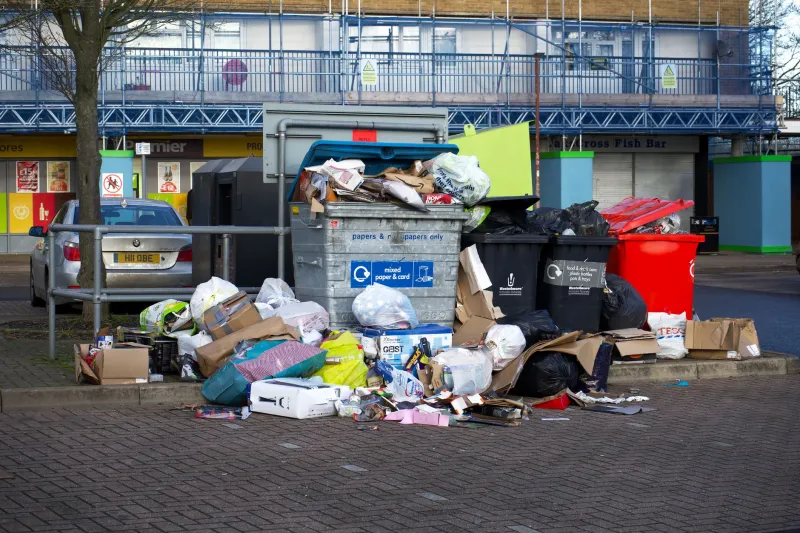
Bin day has a rhythm all of its own. The food caddy goes out on Thursday, the recycling on Friday, and the general waste every other Tuesday, unless a bank holiday arrives and everyone squints at the council app and hopes for the best. It is civic admin, yes. But it is also a story deck shuffled by local government.
That is the premise behind this week's one-minute challenge: treat your council collection calendar as a random story generator. No app, no spreadsheet, no special equipment. Just a day, a bin and one discarded object. Give it sixty seconds and see what surfaces.
Bin day is a story deck in disguise
Most of us read the collection schedule the way we read a bus timetable: with mild suspicion and a nagging sense that we have missed something. But a bin calendar is full of narrative fuel. It has recurring characters, deadlines, colour coding, minor betrayals and the occasional seagull. It also has mystery. Where did that bin come from? Why is next door's recycling out on a Wednesday? Who put a chair in the hedge?
The trick is not to write a grand saga about waste management. The trick is to use the schedule as a prompt. You are not explaining recycling. You are letting a very ordinary civic routine hand you a story starter.
The three-card draw: day, bin, object
Pick three things at random. You can do this by looking at the calendar, pointing at the bins, or closing your eyes and choosing the first object that comes to mind.
- The day. Monday after a bank holiday. A rainy Friday. The Thursday before a wedding. The day the collection was delayed by two hours and the whole street lost its nerve.
- The bin. Blue-lidded recycling. Green garden waste. Brown food caddy. Black general waste. The borrowed bin with no number on it.
- The object. A pizza box folded flat with unusual care. One odd trainer. A birthday card with no name inside. A takeaway menu from a restaurant you cannot find. A broken kettle. A yoghurt pot that feels strangely smug.
Now give yourself one minute. Start with the object and let the day and the bin do the work. Do not plan. Do not explain. Just write the first sentence and keep going until the minute ends.
A sixty-second example
Friday. Blue-lidded recycling. A pizza box.
The pizza box had been folded with the precision of a man who had once worked in a paper factory. It lay on top of the recycling like a confession. Inside the flap, someone had written a postcode, a time and the words 'bring the good scissors'. The bin lorry arrived at 7.42. By 7.43 the box was gone, the postcode was gone, and the scissors were still in the kitchen drawer where they had always been. That evening, a stranger knocked on the door and asked if the pizza had been nice.
That is not a plot. It is a spark. But a spark is enough for one minute.
Five prompts for your next collection
- The object that came back. Write about a bin that returns from collection lighter than it went out.
- The note in the cardboard. A flattened box carries a message meant for someone on the route.
- The food caddy's confession. The caddy has seen things. It is ready to talk.
- The mystery bin. One bin on the street does not belong to any house. Nobody will claim it.
- The day the lorry was late. A whole street invents a reason, and one of those reasons is true.
Play it at the kerb, not the desk
You do not need a writing desk for this. You need a bin day. Stand at the window with a mug of tea and watch the ritual unfold. Notice the neat rows, the crooked lids, the numbers chalked on the side. Notice the neighbour who always puts the bin out the night before and the one who sprints out in a dressing gown at 6.59am.
Then set a timer for sixty seconds and write. The point is not to produce a polished short story. The point is to notice that an ordinary street is already full of prompts. The bin calendar is simply a way of choosing one.
Why small civic details make good fiction
Bins are intimate. They hold the evidence of our days: receipts, tea bags, letters we did not open, the packaging from a meal we did not cook. They are also public. They sit at the boundary between private life and council responsibility. That tension is useful. A wheelie bin can be a character, a witness, a hiding place or a punchline.
And because the collection schedule is repetitive, it gives you a rhythm. You know when it is coming. You know what goes out. You know the small dramas that gather around it. That repetition is a gift for micro-fiction. It means you can return to the same street, the same bin, the same day, and find a different story each time.
Keep a bin-day notebook
If you enjoy this, keep a small notebook for collection-day sparks. Write down one object, one colour and one line of overheard conversation. Do not turn them into full stories straight away. Let them sit. Then, on a rainy afternoon, open the notebook and give yourself a minute. You will be surprised how often the bin day provides.
That is the Imagine for 1 Minute bargain. You do not need a grand idea. You need a day, a bin and a discarded object. The rest is just sixty seconds of curiosity.