The Pigeon on the Plaque: A One-Minute Story Walk Down Your High Street
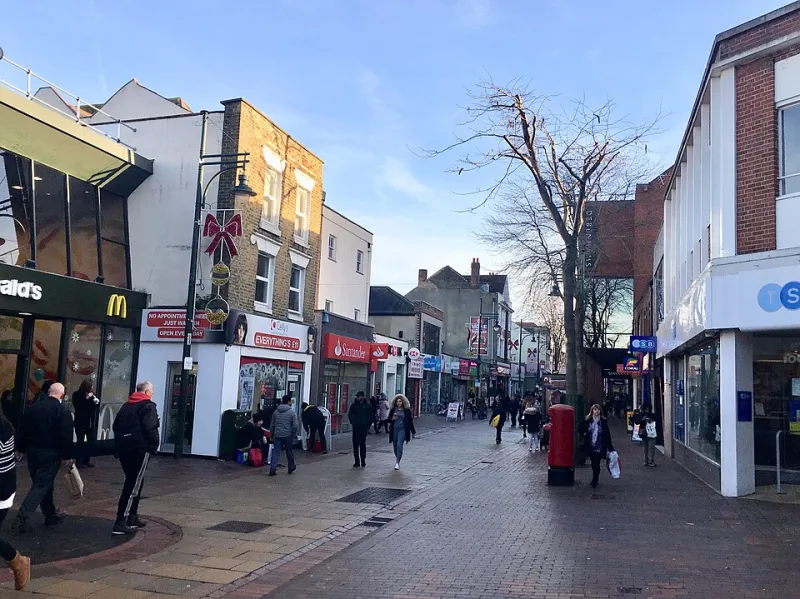
Photo: Chris Whippet , CC BY-SA 2.0, via Wikimedia Commons
There is a particular kind of blue plaque that has gone unnoticed for years. It is attached to a bank, a café or a building that now sells phone cases, and it says something like: reformer, inventor, or local benefactor lived here. Most of us walk past it at speed, headphones in, thinking about milk. But that plaque is a one-minute story waiting to happen.
This is not about becoming a local historian. It is about using the high street as a creativity prompt. In 2026, our attention is pulled in a hundred directions at once. A plaque asks for something simpler: stop, look up, invent. Sixty seconds is enough.
Start With What You Normally Walk Past
You do not need a famous landmark. In fact, the scruffier the better. Look for a blue or brown plaque, a civic society marker, a statue in a small square, a war memorial, an old postbox with a royal cipher, a ghost sign painted onto brick, or a pub name that makes no sense until you squint at it.
Not every plaque is English Heritage. Local civic societies and heritage groups across the UK have been quietly attaching these things to walls for decades. That is part of the charm. A plaque can commemorate a Victorian engineer in Leeds, a suffragist in Bristol, a shipbuilder in Glasgow, or someone whose main achievement seems to have been being quite good at local politics in 1897. All of it is fuel.
Pick one landmark. Stand a respectful distance away. Do not climb the statue, deface the plaque or block the pavement. This is a gentle ritual, not a one-person heritage heist.
The Sixty-Second Plaque Method
Set a timer for one minute. That is the whole commitment. Then ask three questions, in this order:
- Who is missing from this plaque?
- What argument was interrupted here?
- What small object did this person lose and never find?
Write one sentence in your notes app. That is it. No research. No checking Wikipedia. No phoning a friend who knows about local history. The point is not accuracy. The point is a spark.
For example, a plaque might say that a social reformer lived here from 1881 to 1902. Fine. Now invent the neighbour who borrowed a ladder in 1893 and never returned it. Or the delivery boy who got the address wrong every single week. Or the pigeon on the ledge above the plaque, who has watched six generations of high-street drama and is frankly tired of all of it.
Keep real named people out of anything unkind. Do not invent crimes or scandals about actual historical figures. Invent a fictional witness instead: a maid, a customer, a cat, a postbox. The plaque gives you a doorway. You do not have to drag the actual person through it.
Three Tiny Prompts for the Walk
The Unfinished Argument
Find a statue, a pub sign or a memorial with more than one figure. Imagine the last sentence spoken before they parted. Was it about money, weather, or whose turn it was to clean the grate? Write it down. One line only.
The Object in the Plinth
Look at what the statue is holding. A scroll, a sword, a book, a cricket bat, a suspiciously large key. Invent the secret written on the back of it. This works especially well if the object is bronze and looks important. The more official it seems, the sillier the secret can be.
The Witness on the Street
Choose something that cannot speak: a postbox, a bench, a bollard, a paving slab, a pigeon. Give it one sentence of testimony. For instance: I have seen forty-two umbrellas die on this corner. That is a whole story in nine words.
Make It a Weekly Ritual
You do not need to tour every monument in the country. Choose one stretch of high street and walk it once a week. Each time, pick a different landmark. Keep your one-sentence notes in a single list. After a month, you will have thirty tiny story seeds, and at least one of them will make you laugh or pause.
The best part is that this fits into real life. It works on the way to the bus stop, during a lunch break, or while waiting for someone who said they were five minutes away and is not. One minute of noticing is a proper creative break. It is also a quiet rebellion against the idea that imagination needs a whole afternoon and a special notebook.
Why It Works
Constraints help. A plaque gives you a place, a date and a person-shaped hole. Your brain does the rest. It is much easier to invent when you are not staring at a blank page but at a slightly grubby wall with a story attached.
UK high streets are changing quickly. Shops come and go, signs are painted over, buildings get new lives. The plaques and statues stay put, looking mildly surprised by it all. That makes them ideal anchors for a sixty-second story. You are not trying to write a novel. You are giving your curiosity a small door to walk through.
So next time you pass that plaque you have never quite read, stop. Set sixty seconds. Invent the pigeon, the ladder, the unfinished argument. Then carry on with your day, one tiny story heavier.