The Sixty-Second Gallery: Turning Online Museum Collections Into Tiny Creative Sparks

Photo by Photo by BEN ELLIOTT on Unsplash on Unsplash
A museum visit usually asks for shoes, a ticket and a bit of stamina. A virtual gallery asks for none of that. On a lunch break, between emails or while waiting for a delivery, you can open an online collection, pick one object and give it a minute. That is the whole trip: look, wonder, make.
This is not about consuming an entire exhibition in sixty seconds. It is about borrowing one object for a tiny creative exercise. The UK has an astonishing range of digitised collections — from the British Museum and the V&A to Tate, the Science Museum, National Museums Scotland and Amgueddfa Cymru. Many are free to browse. You do not have to go anywhere. You just have to choose something and pay attention.
The one-minute method: look, wonder, make
The routine is simple enough to do standing up.
Look (20 seconds). Choose one object. Do not scroll. Let your eyes rest on it. Notice one colour, one texture or one detail that seems slightly out of place.
Wonder (20 seconds). Ask one question. Not ‘what is this?’ — the label will tell you that. Ask something the label cannot answer. Who held it? Why is it damaged? What was happening just outside the frame?
Make (20 seconds). Write one line, one image or one tiny idea in response. It does not have to be good. It has to be yours.
That is it. The whole crawl can happen at your desk. You can do one object or five. You can use a notes app, the back of an envelope or the margins of your to-do list.
A short route through UK collections
You do not need a curated tour. You need a starting point. Try one of these doors:
- The British Museum’s online collection for ancient objects with very long histories and very human details.
- The V&A for design, pattern, fashion and the strange beauty of everyday things.
- Tate’s online collection for paintings and sketches that reward a second look.
- The Science Museum Group for machines, inventions and objects that make you ask how on earth someone thought of that.
- National Museums Scotland or Amgueddfa Cymru for local collections with a strong sense of place.
- The Natural History Museum for specimens that make the everyday world feel slightly alien.
Pick one. Search for a random word — ‘cup’, ‘ladder’, ‘moth’, ‘letter’ — and see what appears. Randomness is part of the game. The best museum prompts are often the ones you would never have chosen deliberately.
Five object-based prompts for a sixty-second stop
1. The object with a missing owner
Find something that was clearly made for one person: a glove, a snuffbox, a sampler, a walking stick. In twenty seconds, invent the owner. In twenty more, write the first line of a story in which they lose the object. In the final twenty, decide whether they ever get it back. You do not have to write the ending. Just decide it.
2. The portrait about to speak
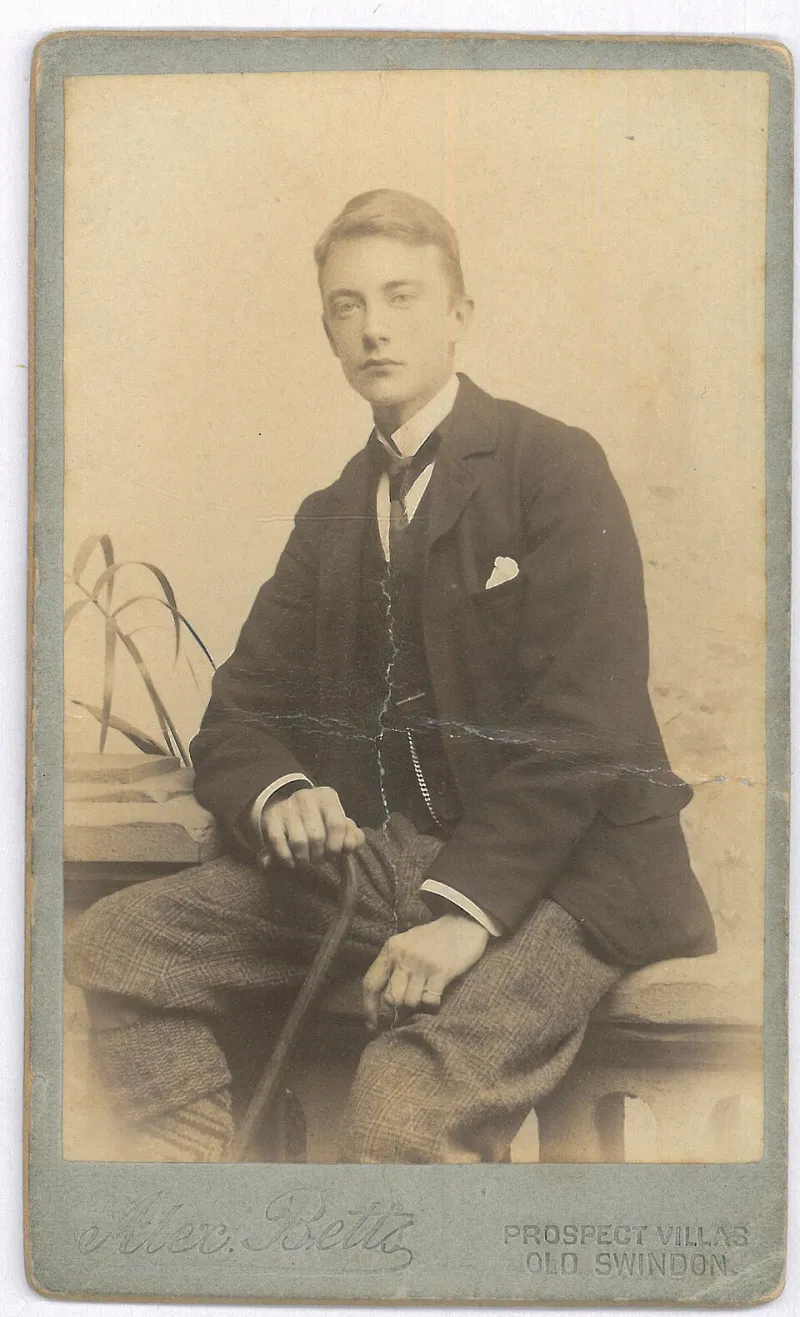
Choose a portrait. Look at the hands, the eyes and the background. Now imagine the person is about to send a text message. What does it say? Keep it short and slightly too honest. ‘I am outside. Do not make a fuss.’ That is a whole character in six words.
3. The tool from the future
Find an object you do not immediately recognise. Do not read the label yet. Describe it as if it were discovered in 2126. What does it do? Who used it? Why is it slightly warm? Then read the real label and enjoy how wrong you were. Being wrong is a creative skill.
4. The pattern thief
Pick something with a pattern: wallpaper, a vase, a textile, a tile. Steal one small detail — a leaf, a loop, a colour combination — and give it to a character. Maybe they wear it. Maybe it is tattooed on their wrist. Maybe it is the logo of a very small cult. One detail is enough.
5. The label from the future
Find something fragile. Write a museum label for it as if you were curating an exhibition in 2126. You have twenty words. Include what it is, why it mattered and one small human detail. ‘Ceramic mug, 2020s. Chipped handle. Used daily by someone who never quite finished their tea.’
Keep it light, keep it moving
The point of a virtual gallery crawl is not to become an expert. It is to interrupt the ordinary with something made by someone else, somewhere else, a long time ago or last year. Museums are full of other people’s imaginations. Borrowing a little of that for sixty seconds is allowed.
If you find an object that sticks with you, save the link. Come back to it tomorrow. Give it another minute. You may find that the first line becomes a paragraph, or the character gets a name, or the tiny idea turns into something you want to keep.
And if nothing happens? That is fine too. You have still looked at something carefully for a minute. In a day full of notifications, that is not nothing. It is a small, quiet museum trip for the mind — no queue, no gift shop, no coat check required.