The Shed Cast List: Four Objects, One Rivalry, Sixty Seconds
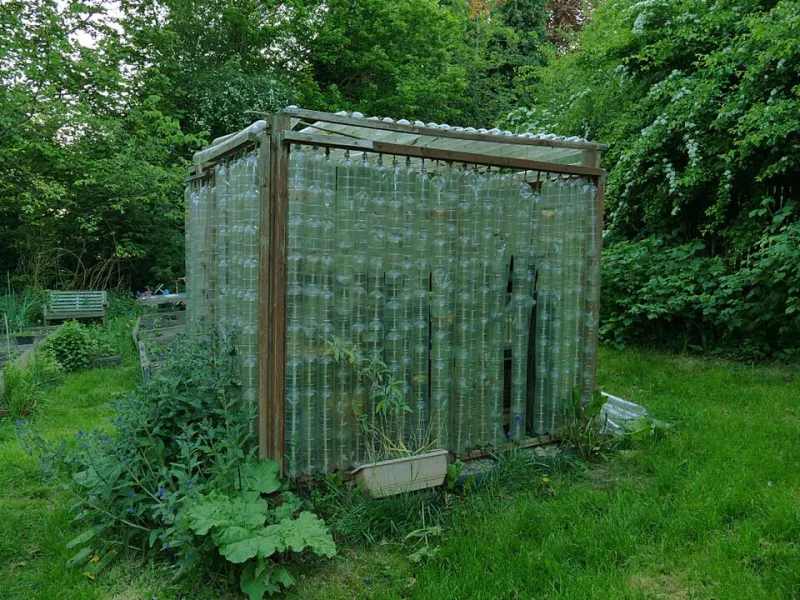
Photo: Stephen Craven , CC BY-SA 2.0, via Wikimedia Commons
There is a particular kind of British magic in a garden shed. It smells of damp wood, lawnmower oil and vague intentions. It holds half-finished projects, spare pots, a radio that only gets one station clearly, and at least one jar of screws that nobody can explain. In other words, it is already a stage. This is a one-minute creativity break for anyone who likes the idea of writing a story but would rather not commit to a whole paragraph.
The prompt is simple: choose four ordinary things from your shed. Let each one suggest an occupant. Give those four people a shared space, a small grudge and one line of dialogue. Then stop. You are not building a novel. You are making a tiny cast list before the kettle clicks.
Why the shed is a ready-made theatre
A shed is a private kingdom with a squeaky door. It is where people go to pot things, fix things, hide things or simply stand staring at a shelf and thinking about something else. That makes it ideal for character invention. You do not need to describe a grand location. The location is already doing half the work: cramped, useful, slightly chaotic and full of objects with history.
It also has a natural clock. The kettle is on. The rain is tapping the roof. Someone is waiting for you to come back in. A minute is plenty of time to meet four people who have never existed before.
The four-object cast
Start with four objects. Keep them ordinary. The joy is in the mismatch between a humble thing and a person who cares about it far too much.
Take a rusted trowel. Who owns it? Maybe Nell, who has strong opinions about soil and an even stronger opinion about her neighbour's compost heap. The trowel is not just a tool; it is evidence of a lifetime of doing things properly.
Take a jam jar of screws. Who keeps it? Perhaps Dev, who believes every screw will be useful one day and has a labelling system only he understands. He is the sort of person who says 'I'll sort that at the weekend' with complete confidence and no intention of doing so.
Take a deckchair. Who owns a deckchair in a shed? Marnie, obviously. She is an optimist who has nowhere to put the deckchair but refuses to get rid of it. Summer is always coming, in her mind. She is the one who brings biscuits to arguments.
Take a radio. Who listens to it? Alan, probably. Alan treats the local weather forecast like a soap opera. He has favourite presenters. He says things like 'they've got the wind wrong again' as if it were a personal betrayal.
That is your cast: Nell, Dev, Marnie and Alan. Four people, one shed, no plot yet.
Add a rivalry in one line
Now choose two of them to clash. It does not need to be dramatic. In fact, it is better if it is small and deeply British. Nell thinks Marnie is all cushion and no compost. Marnie thinks Nell could do with sitting down occasionally. Dev is caught in the middle, holding a jar. Alan is listening to the radio and pretending not to enjoy the tension.
Your job is to write one line of dialogue that captures the whole rivalry. Not a speech. One line. Something like:
'You can't grow a marrow by glaring at it, Nell.'
That is it. That is the whole story seed. Who says it? Marnie, probably, from the deckchair. How does Nell respond? She doesn't. She picks up the trowel. Alan turns the radio up. Dev puts the lid back on the jam jar. End of minute.
The sixty-second version
Here is how to run the prompt without turning it into homework.
- Set a timer for sixty seconds, or put the kettle on and use that as your clock.
- Grab four objects from the shed. Do not choose carefully. The first four are fine.
- Give each object a keeper. First names only. No backstories yet.
- Give each person a want in three words: Nell wants respect. Dev wants order. Marnie wants summer. Alan wants accurate weather.
- Pick two people who cannot both get what they want.
- Write one line of dialogue. Stop when the timer goes or the kettle clicks.
If you finish early, add a stage direction. 'The radio crackles. Nobody moves.' That counts as a scene.
Variations for allotments, garages and rainy afternoons
No garden shed? No problem. The same game works anywhere with a bit of clutter and a bit of privacy.
On an allotment, use a seed packet, a length of twine, a flask and a fork. The rivalry writes itself: someone has been taking the good canes again.
In a garage workshop, try an oil can, a bike bell, a chipped mug and a socket set. The occupants might be a retired mechanic, a teenager learning to fix a moped, a neighbour who keeps borrowing tools and a cat with no interest in any of it.
On a rainy afternoon, do it from the back door. You do not even need to go outside. Choose four things you can see on a shelf and cast them from there. The shed is a state of mind as much as a building.
Why one minute is enough
The pleasure here is not finishing a story. It is noticing that stories are already lying around in jam jars and deckchairs. A minute is long enough to be playful and short enough to avoid the inner critic clearing its throat. You are not writing a masterpiece. You are making a tiny cast list and letting them bicker.
And if the kettle takes a little longer than expected, that is fine. Nell has probably found something to say about the compost heap.