The Till Has Trust Issues: Five Sixty-Second Stories from the Self-Checkout
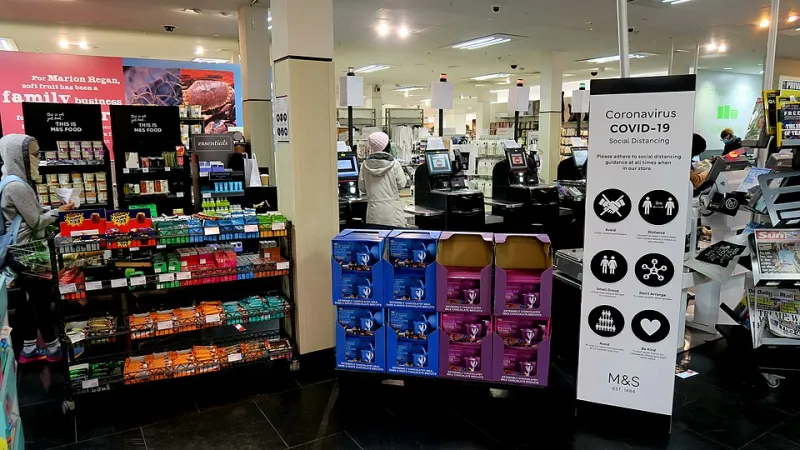
Photo: Kwh1050, CC BY-SA 4.0, via Wikimedia Commons
November has a particular smell: wet pavements, cinnamon, and the faint electric panic of a supermarket at 5.40pm. You have twelve items. The queue is a snake. The self-checkout is free, so you take it, and immediately the machine starts a conversation you did not agree to have.
That is the premise. Not a rant about tills — a creative one-minute prompt disguised as everyday nuisance. The self-checkout is a tiny stage: rules, suspense, a robotic voice, a bagging area with trust issues. Every beep is a beat. Every pause is a plot hole waiting to be filled.
Why the Till Is a Story Machine
Self-checkouts are dramatic because they are almost human and not quite. They issue instructions. They ask you to wait. They accuse you of something — gently, passive-aggressively — and then thank you for shopping. In a minute, you can borrow that tension for fiction.
The trick is not to write about the queue. Write from inside it. Give the machine a motive, the basket a secret, the receipt a future. You do not need a beginning, middle and end. You need one sharp turn: a beep, a warning, a pause that lasts slightly too long.
The Sixty-Second Method
Set a timer for one minute. Pick one moment from a real or imagined trip to the shops. Write three to five sentences. Do not edit. Do not explain. If you get stuck, use the machine's voice as your opening line. Then stop when the timer goes. That is the whole game.
Here are five prompts to try on your next November shop, or on the sofa with a mug and a notebook.
1. The Voice That Knows Too Much
The self-checkout greets you by a name you have not used since school. It asks whether you want a bag, then adds a detail about your day that no till should know. Write the next forty seconds as a PA announcement from a machine that has been reading more than barcodes. Keep it light, eerie, or both. End on a beep.
One-minute twist: the voice is not threatening. It is trying to be helpful, and that is worse.
2. The Impossible Item in the Bagging Area
The warning flashes: unexpected item. You look down. It is not a loose onion or a forgotten umbrella. It is a tiny door, a brass key, a postcard from a seaside town you have never visited. Write the customer service log entry for the incident. Use formal language. Let the weirdness leak through the policy wording.
One-minute twist: the item is returned to lost property, and the next customer claims it.
3. The Clubcard Confession
You tap your loyalty card. The screen hesitates. Then it shows a message meant for the previous owner: a shopping list, an apology, a recipe for someone who is no longer coming home. Write the conversation between you and the card. The card can be defensive, nostalgic, or wildly overfamiliar. You have sixty seconds to decide whether you keep the points.
One-minute twist: the card asks you to buy one specific thing, and you do.
4. The Queue Behind You
The machine refuses to accept a bag. You are stuck. The person behind you sighs in a way that contains multitudes. Write their inner monologue — but give them a secret plan that has nothing to do with shopping. Maybe they are a retired spy. Maybe they are about to propose. Maybe they are simply deciding what to have for tea. The comedy is in the gap between the sigh and the secret.
One-minute twist: they help you, and the help is suspiciously specific.
5. The Receipt Prophecy
The receipt keeps printing. It curls over the edge of the till, past your shoes, out of the door and into the car park. The items listed are not the ones you bought. They are things that will happen tomorrow. Write the final three lines of the receipt as a cliffhanger. Do not resolve it. One minute only.
One-minute twist: the last item is a second receipt.
Make It a Two-Minute Game
If you are with a friend, each write one prompt for sixty seconds, then swap. Read them aloud in the car or on the bus. The best one gets to choose the next prompt. This works surprisingly well with a takeaway coffee and a bag of doughnuts, and it costs less than a cinema ticket.
You can also keep a running note on your phone: till stories. Add one line each time a self-checkout behaves strangely. Within a week you will have a small museum of human-machine awkwardness, and at least one idea worth turning into something longer.
Your One-Minute Permission Slip
You do not need to be a writer to do this. You need a minute, a receipt, and a willingness to look at the ordinary till and see a stage. The November shopping rush will still be there when you finish. The queue will still shuffle. The machine will still ask you to place the item in the bagging area.
But for sixty seconds, you get to decide what the item is, what the voice wants, and why the receipt is so long. That is the whole promise of Imagine for 1 Minute: small pockets of curiosity, folded into the day. Next time the till says unexpected item, take it as a prompt. It might be the most useful thing in your basket.